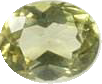
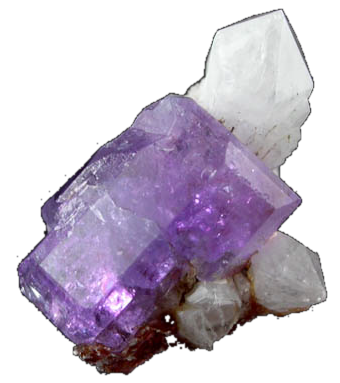
Violet from Germany
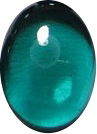
Apatite
Discovered by Abraham Werner in 1786, apatite is named after the Greek word 'apatan' to deceive, because this stone is often misidentified as beryl, quartz, tourmaline and similar crystals.
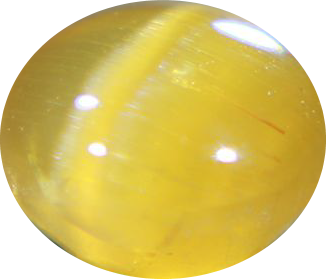
This yellow stone from Mexico shows a degree of chatoyancy
It is not a mineral in itself, but a combination of minerals, flourapatite, chlorapatite and hydroxyapatite.
The only source of natural occurring phosphate, much needed for plant growth, it is widespread throughout the world's surface and is used in making fertilizer.
Crystals large enough for cutting are comparatively rare, but make beautiful cabochon and faceted stones, violet apatite is found in Germany, yellow apatite in Mexico, apatite is also found in green and blue.
Designed and Created by Silk Pixie in Cheshire, England, Website and Product Pages by Silk Pixie, Secure Cart by Mals-e
| Latest Trends | Ordering Information | debbie@silkpixie.com | Delivery & Returns |


| Latest Trends | Ordering Information | debbie@silkpixie.com | Delivery & Returns |